
Understanding the Essentials of Project Planning
When undertaking a project, it’s vital to focus on certain key factors. These elements can make or break the success and longevity of your work. Proper planning involves assessing the structure’s current condition, understanding environmental impacts, and setting realistic budgets and timelines. This guide will help you explore crucial steps in the planning process.
Assessing the Current Condition of Structures
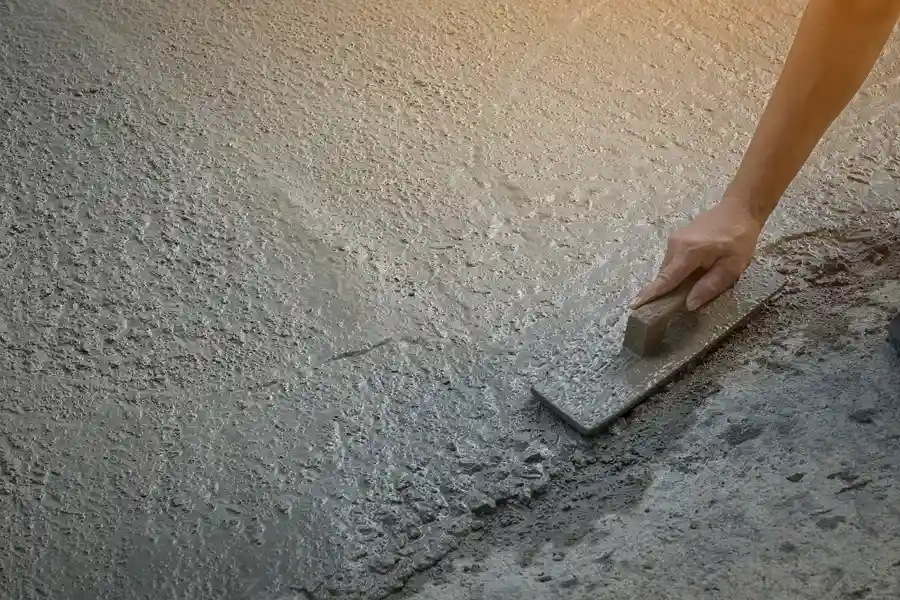
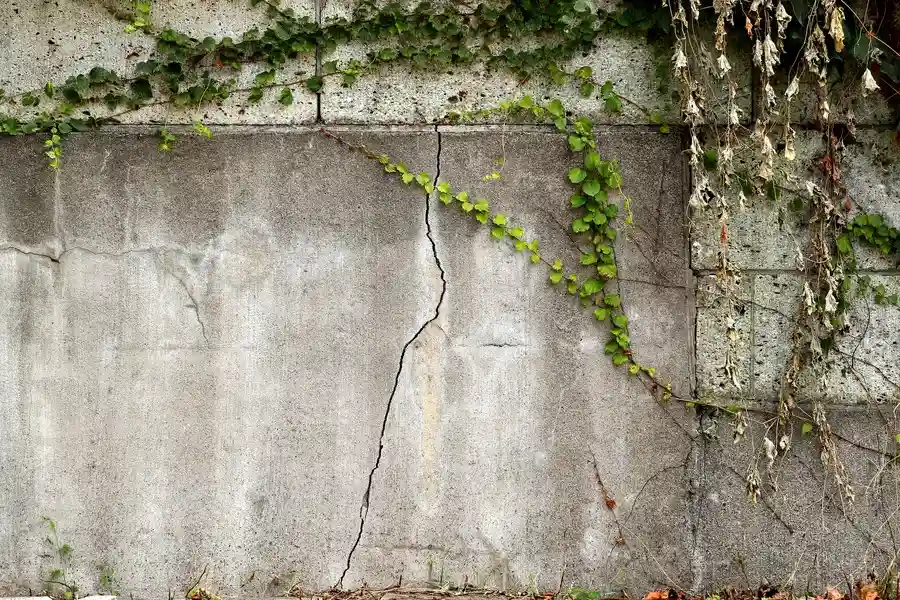
The first step in any repair project is evaluating the existing state of the structure. Look for signs like cracks, discoloration, or surface wear. Understanding these issues helps create a more effective plan. Identifying the root cause ensures that your concrete repair addresses not just symptoms but also underlying problems.
Evaluating Environmental Impact
Environmental factors play a significant role in determining how long repairs will last. Variables such as weather conditions, exposure to chemicals, and nearby vegetation can affect outcomes. For successful results, consider these elements during your concrete repair planning. Avoid overlooking these aspects to prevent future complications.
Setting Realistic Budgets and Timelines
A well-defined budget is essential for any project. It guides decisions regarding materials, labor, and scope. Establish a timeline that considers potential delays due to unforeseen circumstances like weather changes or material shortages. Ensuring flexibility in your planning phase can help mitigate stress and financial strain.
Selecting Quality Materials and Techniques
The choice of materials greatly influences the durability of repairs. Opt for high-quality products that fit your specific needs. Some repairs may require specialized techniques, so consult with experts if necessary. These choices can significantly impact the performance and lifespan of your project.
Addressing Common Challenges in Projects
Projects often face common challenges, such as unexpected structural issues or supply chain delays. Recognizing these potential hurdles early helps you plan contingencies. Address each issue methodically by relying on expert advice and flexible strategies. Doing so can save time and resources.
- Identify possible construction delays
- Prepare for supply chain disruptions
- Anticipate additional costs for unforeseen issues
Implementing Best Practices and Industry Standards
Adhering to industry standards guarantees quality and compliance with regulations. Use best practices that enhance safety and efficiency. Regular training for your team ensures they stay updated with new techniques and technologies, enhancing overall project success.
Considering Long-Term Maintenance Needs
After completing initial projects, ongoing maintenance becomes crucial. Develop a maintenance schedule to protect your investment over time. Routine inspections allow for early detection of potential problems, keeping everything in peak condition.
- Conduct regular inspections
- Schedule timely maintenance checks
- Implement preventive measures to avoid damage
Your Pathway to Successful Repair Planning
Your project’s success hinges on careful planning and execution of each step. By focusing on these key factors-condition assessment, material selection, and long-term maintenance-you ensure lasting results. Call (801) 310-7723 for expert guidance tailored to meet your needs. Based in Cedar Hills, UT, our dedicated team at H&L Concrete LLC stands ready to assist with your next project.