
Understanding When It Is Time to Consider Adding a Retaining Wall
Retaining walls play a crucial role in managing landscapes. They prevent soil erosion, manage rainwater runoff, and create usable spaces on sloped terrain. If your property has uneven land or experiences frequent flooding, a retaining wall can be beneficial. Recognizing when to install one is vital for maintaining the integrity of your landscape. In this guide, we’ll explore key signs indicating you might need this solution.
Soil Erosion Problems
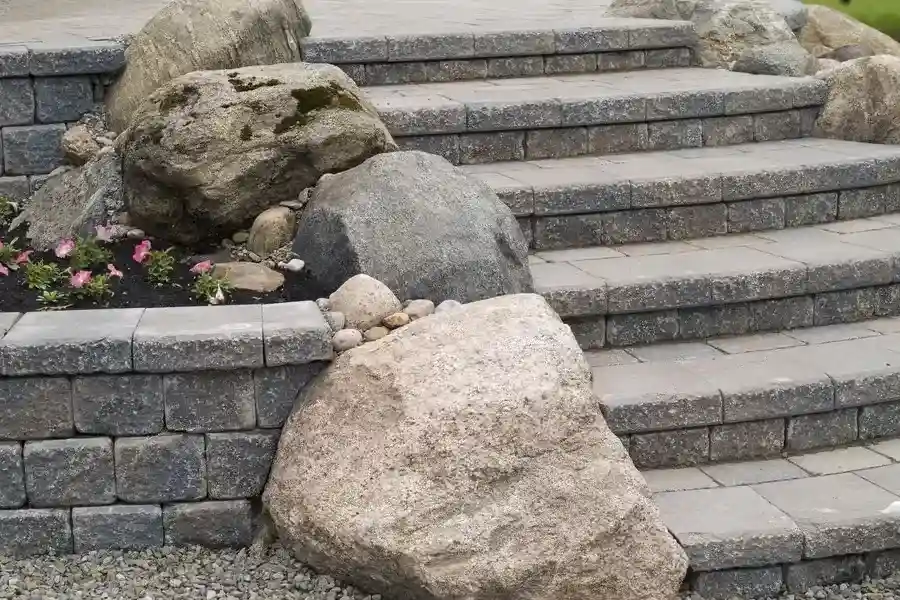
One significant sign that indicates the need for a retaining wall is persistent soil erosion. When rainfall causes soil to wash away consistently, it poses risks to both the environment and any structures on your property. Over time, erosion can destabilize foundations and damage plants. Installing a retaining wall can help control this issue by stabilizing the soil and preventing further loss.
Flooding and Poor Drainage
If your yard floods after heavy rains, poor drainage may be the culprit. Water pooling can harm plants and even affect outdoor structures. A well-built retaining wall will redirect water flow efficiently, minimizing flood risk. Consider consulting professionals who specialize in retaining wall installation to ensure that it is constructed properly for optimal water management.
Sloped Terrain Challenges
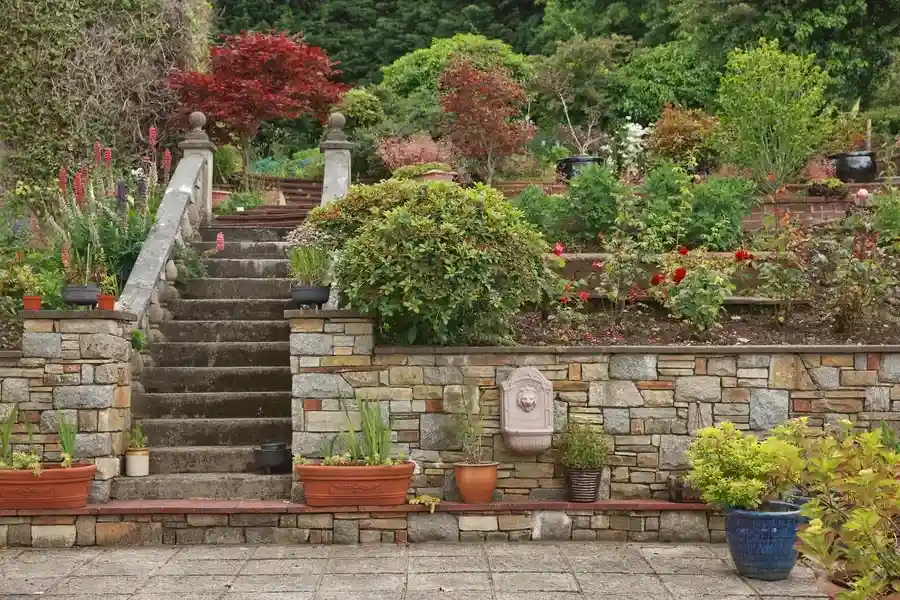
Properties with steep slopes often have limited usable space. This restricts landscaping options and makes gardening difficult. Retaining walls transform these areas into level terraces, offering more functional space for various uses. Employing experts for retaining wall installation ensures a safe transformation of your sloped property into attractive, flat sections.
Aesthetic Enhancements
Aesthetics are another factor that might lead you to consider a retaining wall. These structures add an element of design and sophistication to landscapes. They can serve as focal points or support decorative plantings. Using natural stone or brick materials in your retaining wall can enhance curb appeal significantly.
Preventing Foundation Damage
When soil moves due to erosion or poor drainage, it can cause foundation issues over time. Cracks in foundations or walls might emerge as tell-tale signs of underlying problems. Retaining walls act as barriers, reducing stress on building foundations by keeping soil in place.
Creating More Usable Space
If you’re running out of space for outdoor activities due to uneven ground, retaining walls offer a practical solution. By leveling areas, you expand usable space for patios, gardens, or children’s play zones. This modification not only enhances functionality but also adds value to your property.
Professional Recommendations for Building Retaining Walls
Experts recommend consulting with landscape architects or contractors experienced in building retaining walls. They assess site-specific needs such as soil type and slope angle before construction begins. Adhering to industry standards ensures durability and effectiveness in managing erosion and water flow.
The Benefits of Investing in a Retaining Wall
Apart from solving functional issues like erosion and flooding, retaining walls boost property value and visual appeal. They provide long-term benefits by creating sustainable solutions for challenging landscapes. Regular maintenance is minimal compared to the extensive advantages they offer in preserving outdoor spaces.
Get Expert Help Today
For anyone dealing with erosion or flooding issues, considering professional assistance is essential. Contact us at (801) 310-7723 for expert advice and services tailored to your needs. Based in Cedar Hills, UT, our team offers comprehensive solutions that enhance both function and aesthetics. At H&L Concrete LLC, we specialize in transforming landscapes with quality retaining wall installations designed to last.